What Zoning Actually Means in a Home Context
Most rooms in American homes are asked to do too many things at once. A living room becomes a homework station, a workout space, a streaming room, and a place to eat lunch - often all on the same day. Without any structure, items drift, routines collide, and the space feels perpetually unfinished no matter how recently it was cleaned.
Zoning addresses this directly. Instead of letting a room be everything everywhere, you deliberately assign specific areas to specific purposes. The assignment doesn't have to be rigid or permanent, but it should be consistent enough that everyone who uses the space - including just you - knows where activities happen and where things live when they're not in use.
This matters more than it might seem. Research in environmental psychology consistently supports the idea that our surroundings shape our behavior. A space that communicates "this is where you work" nudges you into work mode more effectively than a generic, undefined area. The same logic applies to rest, cooking, and creative activities.
Zoning Is About Function, Not Aesthetics
It's easy to conflate zoning with interior decorating, but they serve different goals. A zone doesn't need to look curated - it needs to work consistently. A folding table with a dedicated shelf above it is a legitimate work zone, even if it doesn't belong in a design magazine. Focus on functional clarity first; appearance can follow.
How to Define Zones Without Renovating
The most accessible zoning tools are ones most homes already have or can acquire inexpensively. None of them require construction or permits.
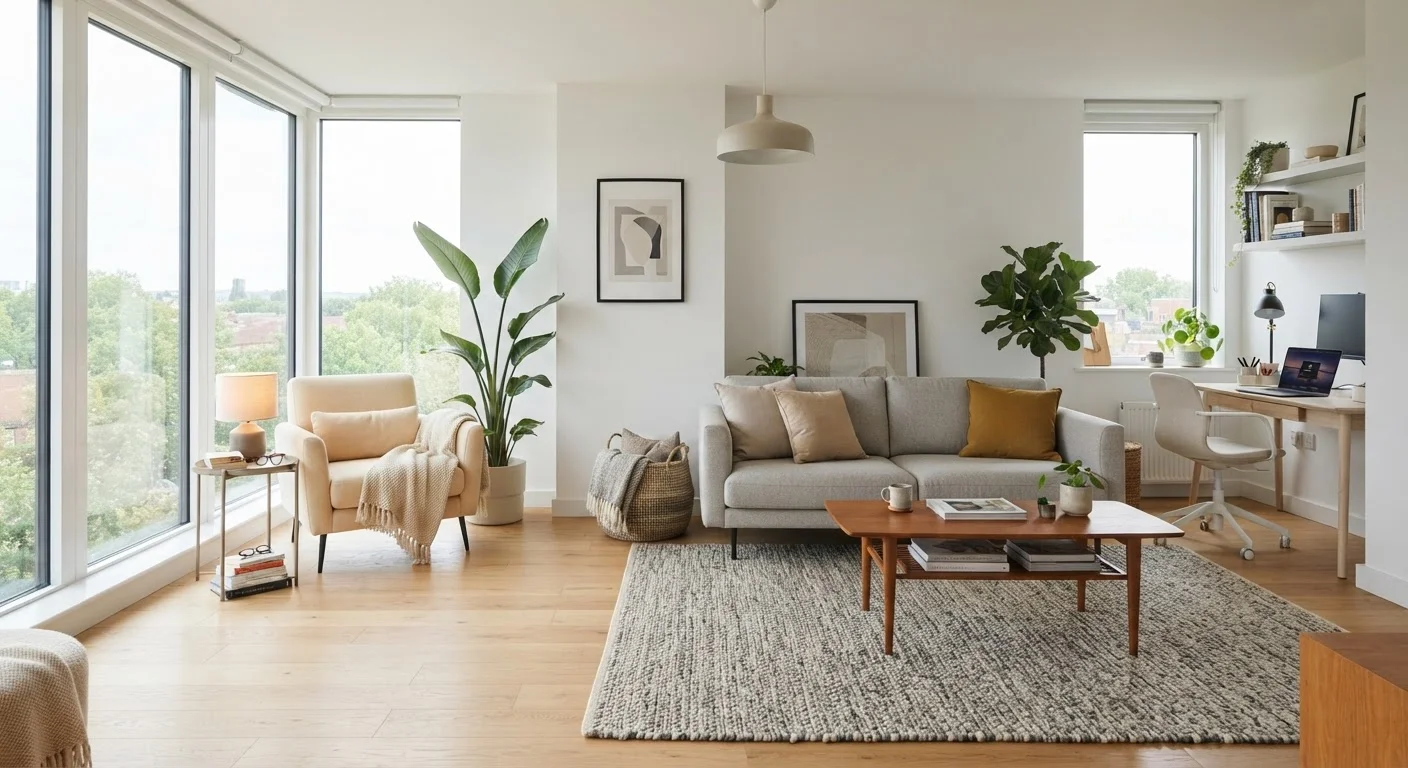
- Area rugs: A rug under a seating arrangement visually anchors a conversation or relaxation zone. It tells the eye - and the brain - that this cluster of furniture belongs together and serves one purpose.
- Lighting: A task lamp over a desk and softer ambient light across the rest of a room immediately separates a work zone from a rest zone. Lighting is one of the strongest behavioral cues a room can offer.
- Furniture orientation: Turning a sofa to face away from a desk, or placing a bookshelf as a low room divider, creates implied boundaries without walls. You don't have to see a wall to register that you've crossed from one zone into another.
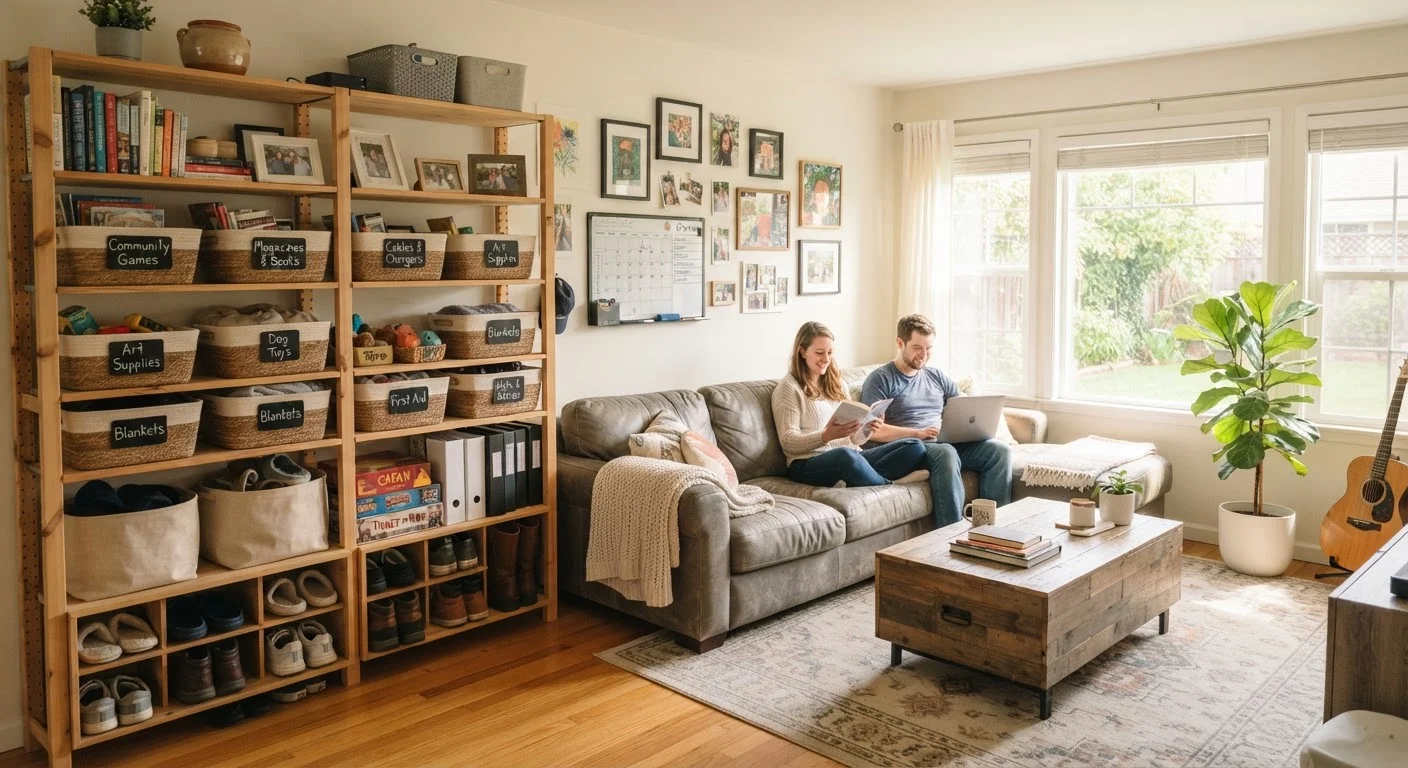
- Dedicated storage: When every item associated with an activity lives in or near its zone, retrieval and cleanup happen in the same place. A basket of craft supplies near a craft table, a tray for work essentials on the desk - these reinforce zone identity over time.
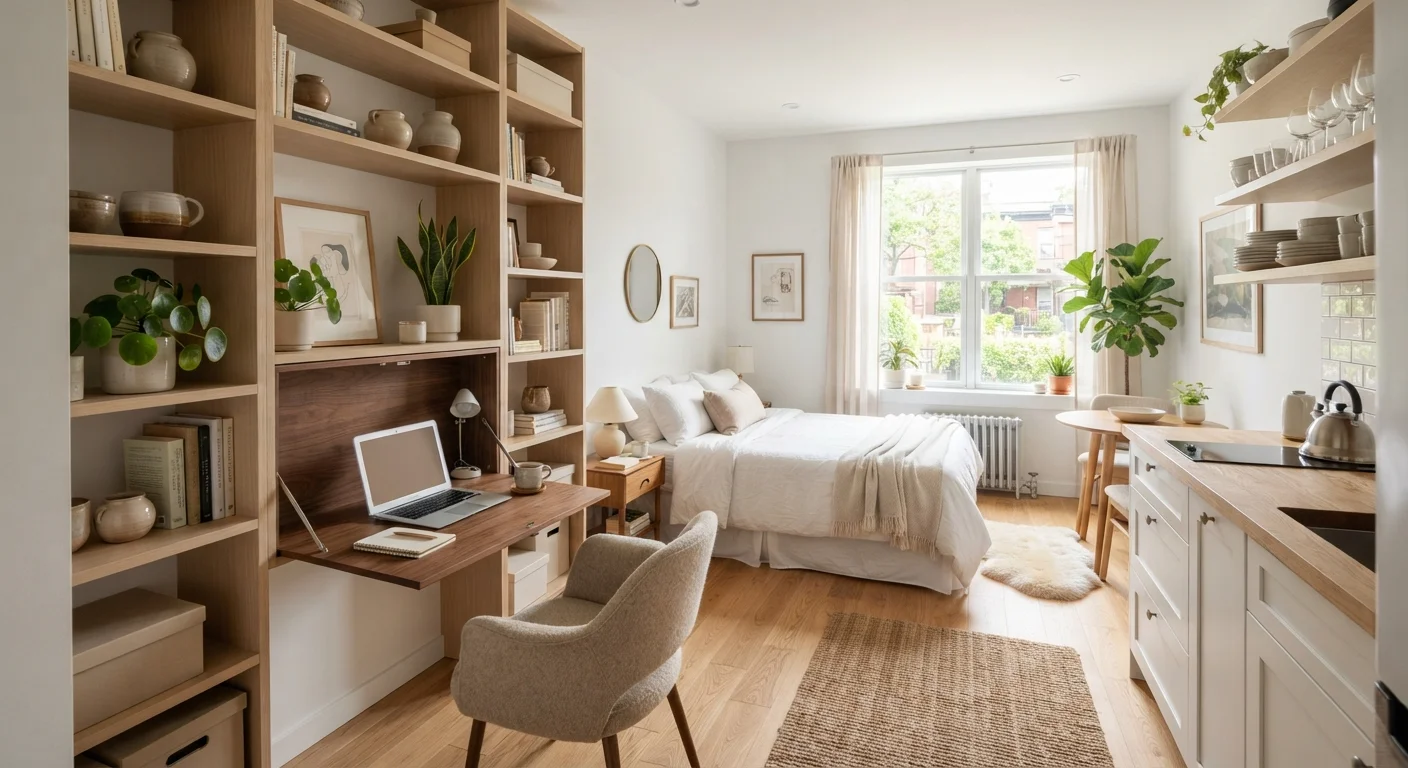
For households with limited square footage, these techniques are covered in depth in our small-space organization guide, which explores how to make tight floor plans feel more livable without structural changes.
Start With the Most Chaotic Room First
Rather than trying to zone every room at once, pick the one space where conflicting activities cause the most daily friction. Define just two zones in that room using what you already own, and live with the arrangement for two weeks before making changes. Small, tested adjustments are more durable than whole-home overhauls.
Zoning in Practice: Common Room Types
The same principle applies differently depending on the room and how your household uses it.
Living rooms often need at least two zones: one for screen-based entertainment and one for conversation or reading. These can share furniture but benefit from distinct lighting setups and clear rules about where devices are stored when not in use.
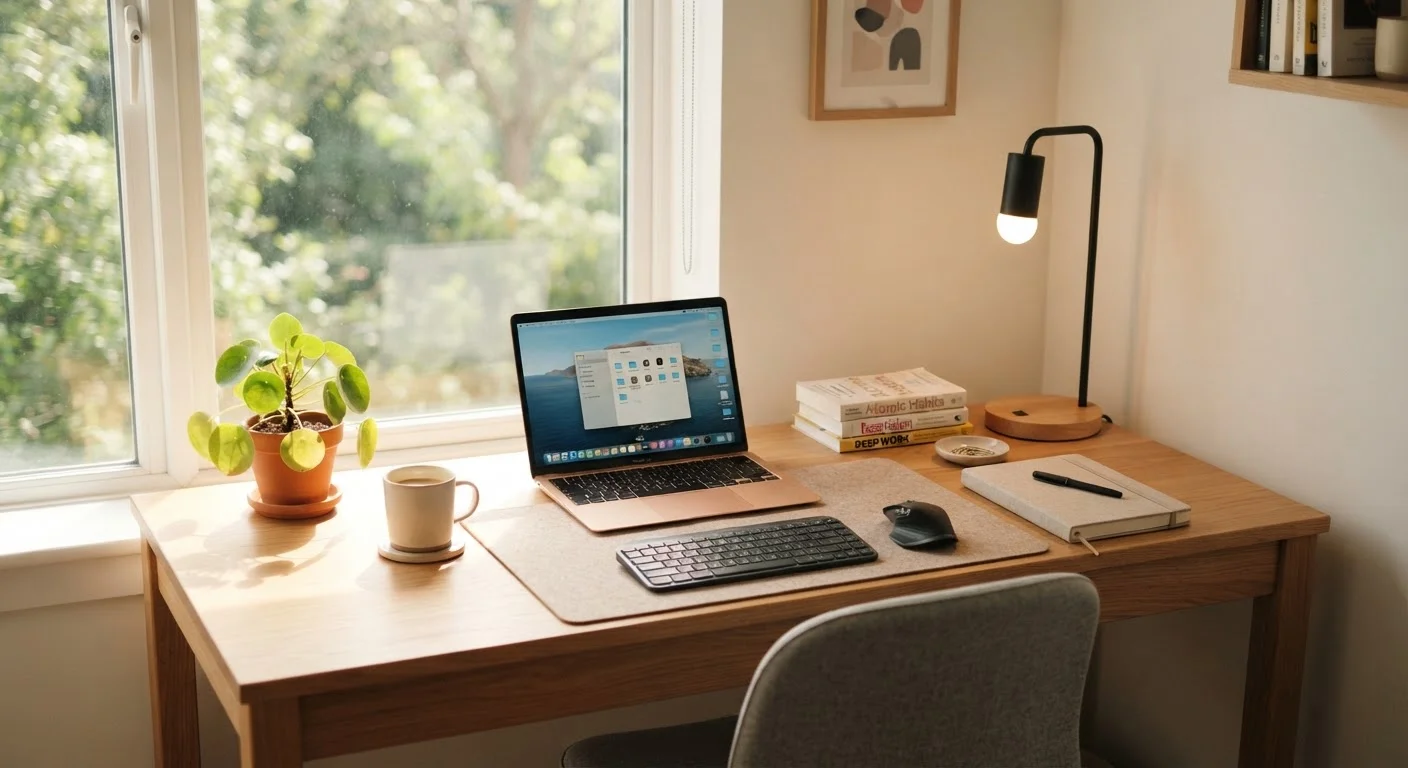
Bedrooms ideally separate sleep from work. If a desk must live in a bedroom, positioning it so it's not visible from the bed - or using a curtain or bookshelf to break sightlines - helps the sleeping area retain its association with rest. Our home office organization guide goes deeper on how workspace setup affects focus and mental separation from rest.
Open-plan kitchens and dining areas often blur naturally. A clear surface boundary - the island edge, a change in flooring, a pendant light directly over the table - can reintroduce the distinction between food preparation and eating without any renovation.
54%
Adults who say clutter affects their mood
A survey by the National Association of Productivity and Organizing Professionals found that more than half of respondents reported clutter negatively impacting how they feel at home.
2-3x
More time spent searching for misplaced items weekly
Organizational researchers have estimated that people in disorganized spaces spend significantly more time locating everyday items compared to those with consistent storage systems.
In shared homes, defined zones also reduce interpersonal friction. When zones are agreed upon rather than assumed, the implicit question of "where does this go?" becomes much easier to answer. See our guide on organizing a shared home for strategies that work across different habits and standards.
Making Zones Stick Over Time
A zone is only as useful as the habit that supports it. The physical setup does a lot of the work, but small behavioral routines cement it. Clearing a work surface at the end of the day, returning items to their zone before bed, or doing a five-minute "reset" before transitions - these micro-habits are what separate a zone that holds from one that drifts back into disorder within a week.
It also helps to build zones around how you actually live rather than an aspirational version of your routines. If you reliably eat breakfast at your coffee table while watching the news, building a dedicated "dining zone" at a table across the room will likely fail. Acknowledge real patterns first, then shape the zone around them.
If you're weighing whether to organize by location (zones) or by category, our comparison of organizing by category vs. by location can help you decide which approach - or which combination - fits your household best.