How Debt Consolidation Actually Works
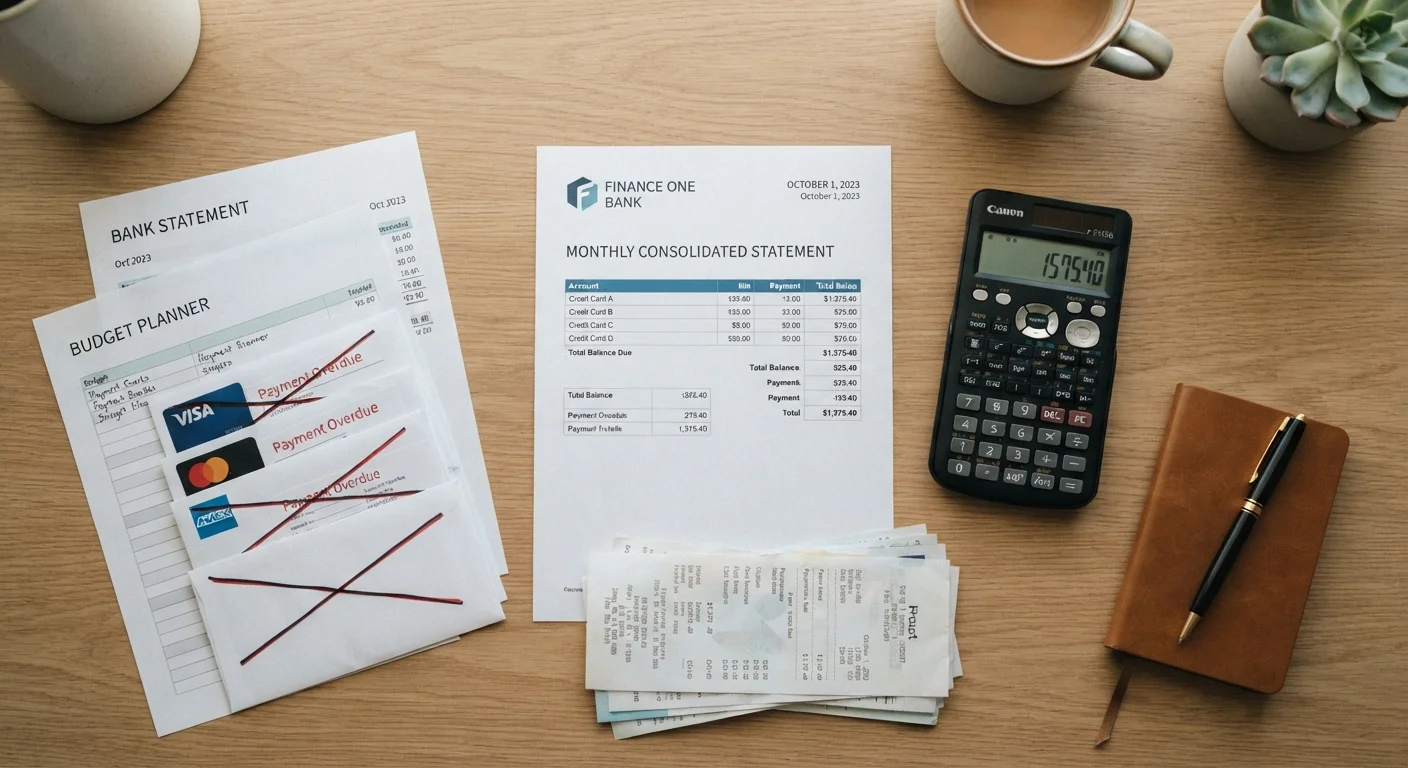
When you consolidate debt, a lender pays off your existing balances and replaces them with a single new loan at a fixed or variable interest rate. Instead of tracking several due dates and minimum payments, you make one monthly payment to one creditor for a set repayment term.
The most common consolidation tools are:
- Personal loans: Fixed-rate, fixed-term loans from a bank, credit union, or online lender. Interest rates vary widely based on creditworthiness.
- Balance transfer credit cards: Cards offering a 0% promotional APR period - typically 12 to 21 months - on transferred balances. A balance transfer fee (usually 3%-5%) usually applies.
- Home equity loans or HELOCs: Borrow against your home's equity at lower rates, but your home becomes collateral, which raises the stakes significantly.
Understanding terms like APR and amortization matters here. See our plain-language glossary of personal finance terms for quick definitions.
This article is for general informational purposes only and does not constitute personalized financial advice. Consult a qualified financial professional for guidance specific to your situation.
What Consolidation Can - and Cannot - Fix
Consolidation solves a structural problem: too many payments, varying rates, and difficult-to-track balances. When your new loan carries a meaningfully lower interest rate than your current debts, you pay less over time and can get out of debt faster.
But consolidation does not:
- Reduce the principal you owe
- Address the spending habits or income gaps that created the debt
- Protect you from accumulating new balances on the cards you just paid off
Watch Out for the Reloading Trap
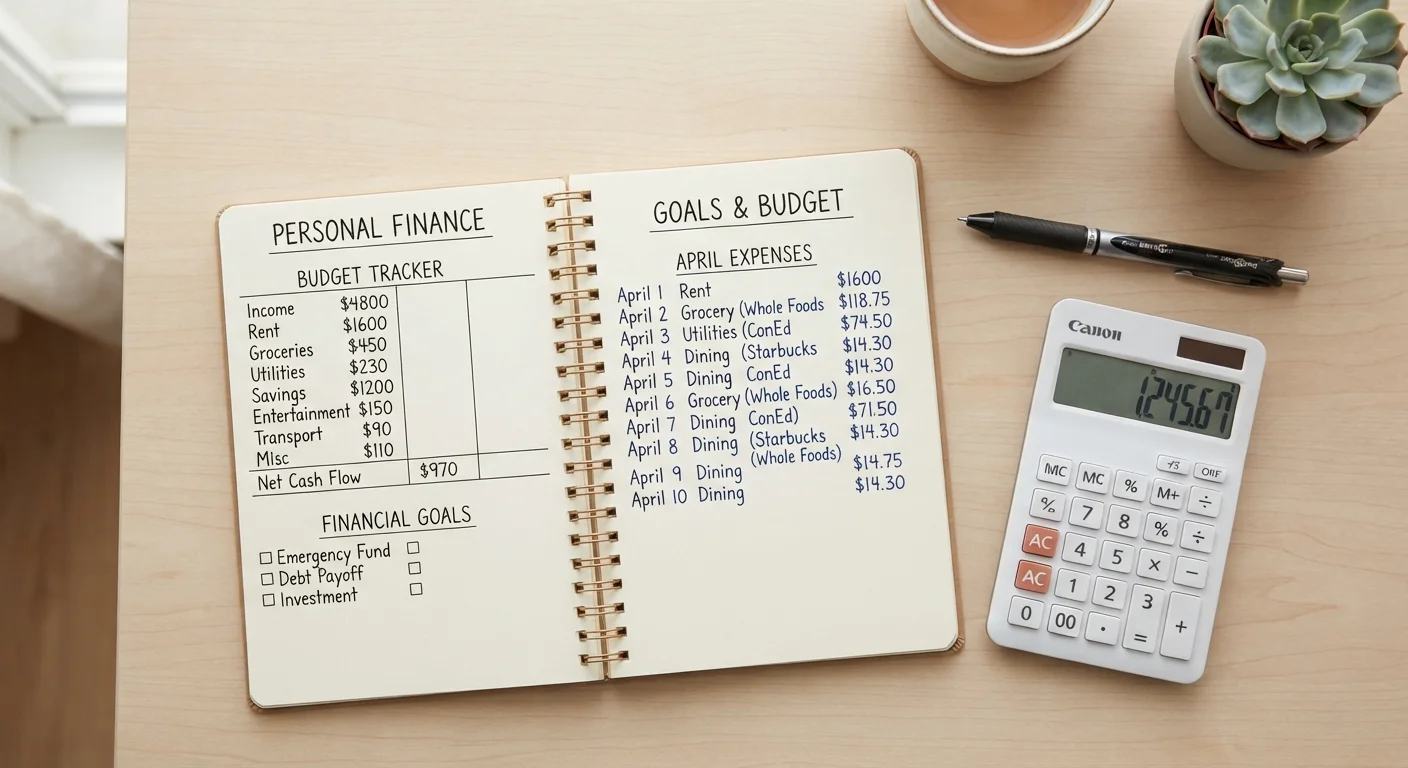
One of the most common pitfalls after consolidation is running up new balances on the paid-off accounts. If that happens, you end up with more total debt than you started with - not less. This is why financial counselors treat consolidation as a tool, not a solution in itself. Pairing it with a realistic monthly budget is essential to making the strategy work long-term.
Research consistently shows that one of the most common pitfalls after consolidation is running up new balances on the paid-off accounts. If that happens, you end up with more total debt than you started with - not less.
This is why many financial counselors treat consolidation as a tool, not a solution. Pair it with a realistic budget. Our article on debt repayment myths worth questioning covers other ways well-intentioned strategies can backfire.
When Consolidation Makes Sense - and When It Doesn't
Consolidation is most likely to help when:
- You qualify for a rate lower than your current weighted average interest rate across all debts
- You have stable income to handle the new fixed payment
- You are committed to not adding new consumer debt during the repayment period
It's less likely to help when your credit score means the consolidation loan carries a rate similar to - or higher than - what you already pay. It also may not be the right fit if you need the flexibility of variable payments, or if your debt load is manageable enough to tackle with a focused repayment strategy.
Compare All Your Repayment Options First
Before applying for a consolidation loan, spend time comparing it against structured repayment strategies like the debt avalanche or snowball methods. In some cases - especially when your debts carry similar rates or your balances are manageable - those approaches can eliminate debt just as effectively without opening a new credit account or paying origination fees.
Worth comparing: consolidation is one approach, but the debt avalanche and debt snowball methods can work just as effectively without taking on new credit - particularly when your existing interest rates are already relatively low.
Also consider whether eliminating debt entirely should take priority over saving, or whether doing both simultaneously makes sense for your situation. Our piece on balancing debt repayment and saving can help you weigh that trade-off.
Key Trade-Offs to Evaluate Before You Apply
~20%
Average credit card APR in the U.S.
According to Federal Reserve data, average credit card interest rates have climbed significantly in recent years, making high-rate consolidation loans less effective.
3%-5%
Typical balance transfer fee
Most balance transfer credit cards charge a fee on the transferred amount, which should be factored into your total cost calculation.
1 in 3
Borrowers who accumulate new debt post-consolidation
Consumer financial research has noted that a significant share of people who consolidate credit card debt end up with new card balances within a few years.
Before moving forward with any consolidation plan, run these numbers:
- Calculate your current weighted average APR across all debts. If the consolidation loan's APR - including fees - is not lower, the math may not work in your favor.
- Compare total interest paid over the life of the new loan versus your current payoff trajectory.
- Factor in fees. Origination fees, balance transfer fees, and prepayment penalties can erode savings that look attractive on the surface.
- Check the repayment term. A lower monthly payment spread over a longer term often means paying more interest in total, even at a lower rate.
Not all debt is the same type, either - consolidating high-interest consumer debt is a different calculation than managing student loans or a mortgage. For a broader look at how debt fits into your financial picture, see our guide on distinguishing good debt from bad debt.